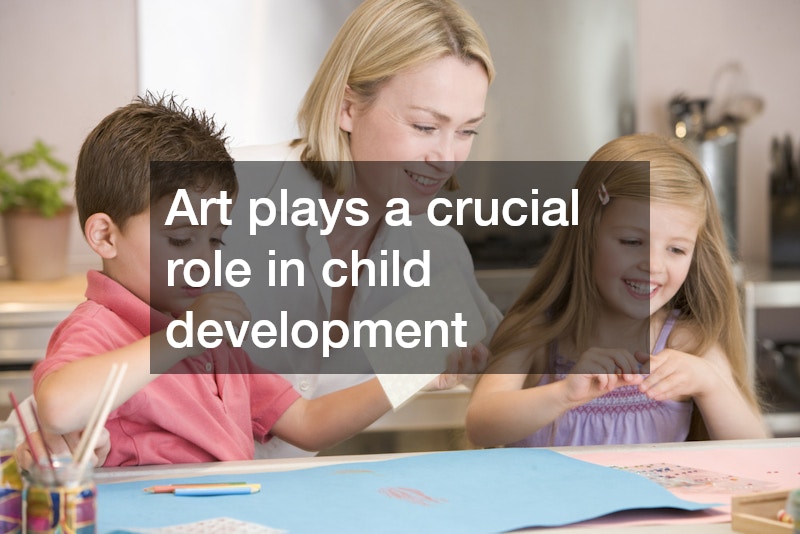

Art plays a crucial role in child development, offering more benefits than one might initially think. Engaging in fine arts from a young age helps children improve their creativity, problem-solving skills, and self-expression. These skills are not only beneficial in creative fields but are valuable in everyday life, helping children navigate the complex problems they may encounter.
Furthermore, the process of creating art enables children to learn patience and attention to detail, which are critical skills in school and personal growth. Parents who recognize the importance of art in their children’s development can set them up for success in various aspects of life.
Many educational systems are now incorporating art programs into their curriculums due to the vast benefits associated with them. The inclusion of fine arts in school programs helps to create a balanced educational experience, which fosters a better learning environment. The arts also allow students to express themselves in ways that academic subjects might not; this can lead to improved academic performance. By encouraging participation in artistic activities, teachers and parents can help children develop better cognitive abilities and emotional intelligence. Thus, it’s essential that art be considered an integral part of children’s education.
Parents can further support their children’s growth by nurturing an appreciation for the arts at home. This can be done by exposing children to various forms of art, such as visiting museums, attending art shows, or simply creating art together at home. Understanding that art is not just about painting or drawing, but also includes theater, music, and dance, widens the scope for children to find their passion. Furthermore, discussions about various art forms and artists can enhance a child’s critical thinking skills and cultural awareness. Encouragement and exposure to a variety of art forms can inspire children to explore their interests and find joy in artistic expression.
Creating an Artistic Environment at Home
To effectively encourage your children to pursue art, it’s important to create an artistic environment at home. This begins with setting aside a dedicated space where they can freely express their creativity without the fear of making a mess. Providing them with the materials they need, such as paints, brushes, papers, and clay, can foster a stimulating environment conducive to artistic exploration. Creating a space that celebrates creativity demonstrates to children that their artistic endeavors are valued and important. Parents should consider this investment in their children’s potential as a long-term contribution to their personal development.
Furthermore, displaying your child’s artwork around the house can boost their self-esteem and encourage them to pursue their artistic interests further. When children see their art framed and hung up, it signifies that their art is important and worthy of admiration. This simple act can help children develop pride in their work and motivate them to continue creating. Encouraging children to take part in community art projects or exhibitions can also instill a greater sense of confidence, showing them that art can have a broader impact beyond their home. Such acknowledgments can help children associate their creativity with positive reinforcement, which is crucial for their continuous artistic growth.
In addition to physical spaces, cultivating an interest in fine arts through conversation and shared experiences can be invaluable. Watching films on famous artists, listening to various musical compositions, or reading books on art can inspire children to understand and appreciate the cultural significance of art. Such activities can stimulate interesting discussions about what they find appealing or challenging, encouraging critical thinking. By actively participating in these conversations and experiences, parents are not only providing support but also learning more about their children’s artistic preferences, passions, and talents. This mutual engagement strengthens the bond between parents and children, making the pursuit of art a family-oriented journey.
Overcoming Barriers to Artistic Pursuit
Despite the numerous benefits, many children face barriers that hinder their pursuit of art. One common challenge is the misconception that a career in art is not as viable as more “traditional” career paths. Parents should strive to challenge this perception by acknowledging the diverse opportunities available in the art world, ranging from digital design to art therapy, and even to art education. By emphasizing that careers in fine arts can be both fulfilling and lucrative, parents help dispel myths and bolster children’s confidence in choosing artistic careers. In sharing success stories of well-known artists or local art professionals, children can envision their potential paths more realistically.
Societal pressure and lack of resources can also be significant obstacles in encouraging artistic pursuits. Parents can counteract these pressures by advocating for the inclusion of art programs in schools and communities and by educating themselves on available resources and scholarships for young artists. Attending local art events or supporting art initiatives can not only provide financial support but create a network of like-minded individuals. Additionally, it’s important for parents to remain positive and encouraging, using language that supports rather than undermines their child’s desire to follow an artistic path. Positivity and belief in their potential play a vital role in overcoming self-doubt and external negativity.
Lastly, addressing time management skills is vital, especially for children who juggle multiple interests and responsibilities. Teaching children to prioritize their time effectively allows them to pursue art alongside other interests without feeling overwhelmed. Encouraging them to set small, achievable goals can provide a sense of accomplishment and progression in their artistic journey. Parents should work with their children to create schedules that balance practice with relaxation, ensuring that their pursuit of art remains a joyful and rewarding experience. The ultimate goal is to nurture a lifelong passion for the arts that children can carry into their future endeavors.